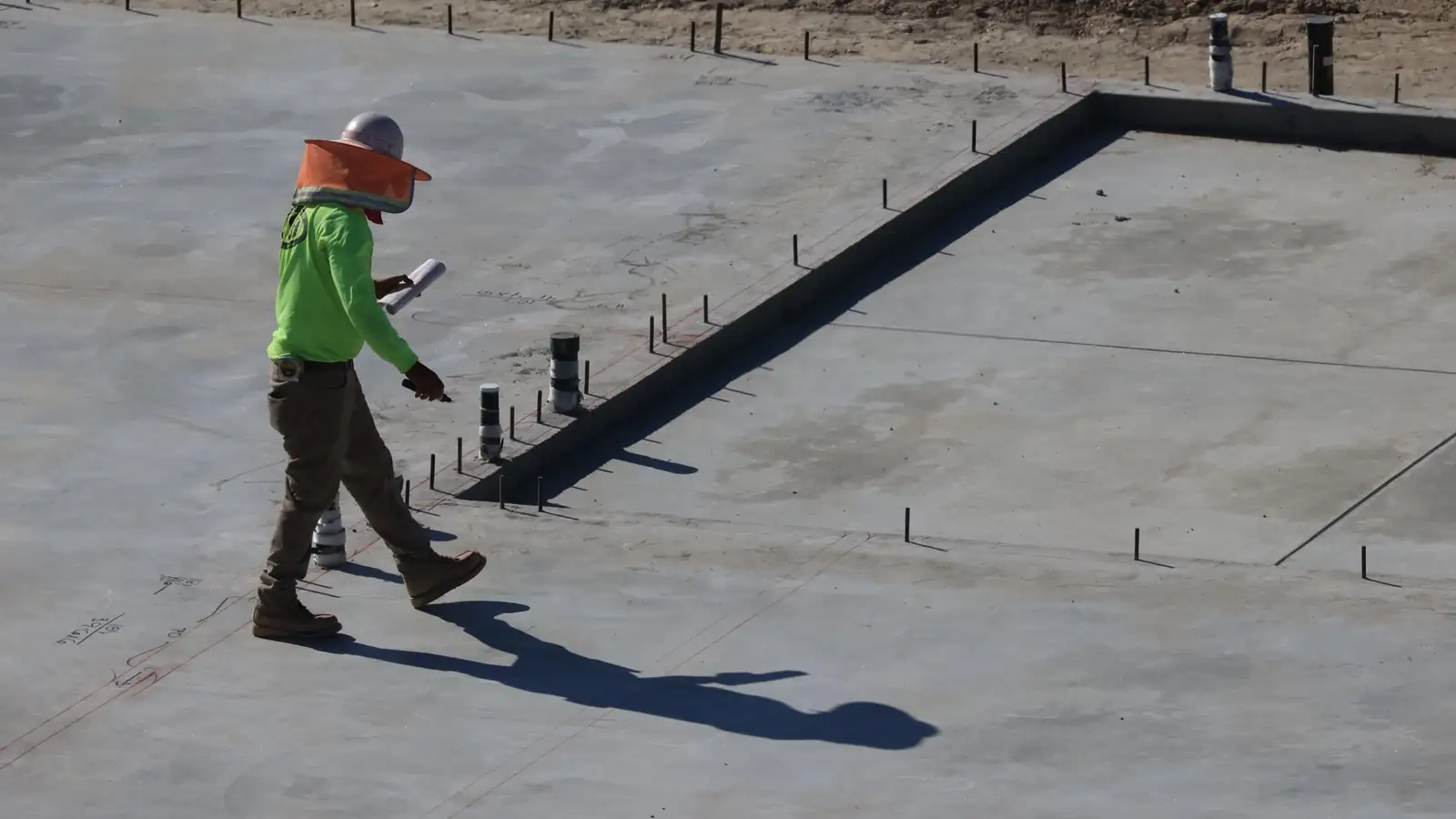
Foundation inspection: what it includes and when you need one
Cracks, sticking doors or sloping floors don't always mean a serious problem, but a foundation inspection is how you find out. Here's what an inspection covers, who can do it, and how to get the most out of it.
HomeRelay Pros is an independent homeowner resource and referral service. We are not a foundation repair contractor and do not perform foundation repair or structural work. Paid referrals through a partner network. The recipient confirms your service, ZIP, availability and terms; a call does not guarantee a local provider or appointment.
When to get a foundation inspection
- You see several signs of foundation problems at once, such as diagonal drywall cracks, sticking doors and uneven floors.
- A crack is getting wider or longer, or one side is higher than the other (see are foundation cracks normal?).
- A basement wall has a horizontal crack or is leaning inward.
- Floors feel bouncy or sag over a crawl space.
- You're buying or selling a home and a home inspector flagged possible movement.
- After a major leak, plumbing failure, flood or long drought, when soil under the house may have changed.
- You want to check whether an earlier repair is still holding.
Structural engineer vs. foundation repair contractor
There are two common kinds of foundation inspection, and they answer slightly different questions.
A structural engineer's evaluation is an independent assessment. The engineer does not sell the repair, gives a written opinion on what is happening and why, and can design a repair plan. This is often the better choice when you're buying a home, dealing with an insurance claim, comparing contractors who disagree, or when a repair needs a permit or engineering letter.
A foundation repair contractor's inspection is aimed at recommending and pricing a repair. It's a practical way to understand your options and get a written proposal. Because the contractor is also selling the work, it helps to compare more than one proposal for larger jobs.
Ask either one what they charge for the visit and whether you'll receive the findings in writing.
What an inspector usually checks
- Outside: cracks in brick, block or the exposed foundation, gaps around windows and doors, chimney lean, and how the soil, gutters, downspouts and grading move water around the house.
- Inside: drywall and ceiling cracks, doors and windows that stick, cracked tile, and gaps at walls and floors.
- Floor levels: elevation readings across the house, often with a digital level or manometer, to map high and low spots.
- Crawl space: beams, piers, shims, joists, moisture and wood damage (see pier and beam repair and crawl space foundation repair).
- Basement: wall cracks, bowing or leaning walls, and water entry (see bowing basement wall repair).
- Slab: signs of settling or heaving and possible plumbing leaks under the slab (see slab foundation repair).
How to prepare
- Clear access to the crawl space entry, basement walls and the outside perimeter.
- Write down when you first noticed each crack or symptom, and whether it changes with the seasons.
- Take dated photos of cracks, ideally with a ruler or coin for scale, so changes are easy to see.
- Gather any past inspection reports, repair paperwork and warranties.
- Note any recent plumbing leaks, high water bills or drainage problems.
What you should get afterward
A useful inspection ends with a clear explanation of what is moving and why, whether it needs repair now or monitoring, and what the repair would involve, such as piering, crack repair, drainage work or shimming. For a repair proposal, ask for the number and location of piers or supports, what is included, permit and engineering requirements, and the warranty terms in writing. Our foundation repair cost guide explains what changes the price, and our insurance guide covers what policies usually do and don't pay for.
Red flags
Be cautious about pressure to sign the same day, a repair plan given without measuring floor levels, refusing to put the scope or warranty in writing, or a recommendation that doesn't address an obvious cause such as poor drainage or a plumbing leak.
Talk to a local provider
Ask about inspection availability and pricing for your address directly from the provider.
Foundation inspection FAQ
Who should inspect my foundation, an engineer or a repair contractor?
A licensed structural engineer gives an independent assessment and does not sell the repair, which is useful when buying a home, for an insurance claim, or when contractors disagree. A foundation repair contractor's inspection is usually aimed at recommending and pricing a repair. Many homeowners start with a contractor and bring in an engineer for larger or disputed repairs.
What does a foundation inspection include?
Usually a walk-around of the exterior, a look at cracks in brick, block and concrete, checks of doors, windows and drywall inside, floor elevation readings with a level or manometer, and a look at drainage, gutters and grading. For a crawl space or basement, the inspector also looks at beams, piers, joists and walls.
How long does a foundation inspection take?
Many inspections of a typical house take one to two hours on site. An engineer's written report can take longer to arrive. Ask when you will get the findings in writing.
Is a home inspection the same as a foundation inspection?
No. A general home inspector may note signs of foundation movement, but usually recommends further evaluation rather than diagnosing it. A foundation inspection focuses on the structure and how it is moving.
Should I get an inspection before buying a house with foundation cracks?
It is a good idea. A written assessment helps you understand what repair may be needed before you commit, and some buyers use it in negotiations. Ask whether any past repair came with a transferable warranty.